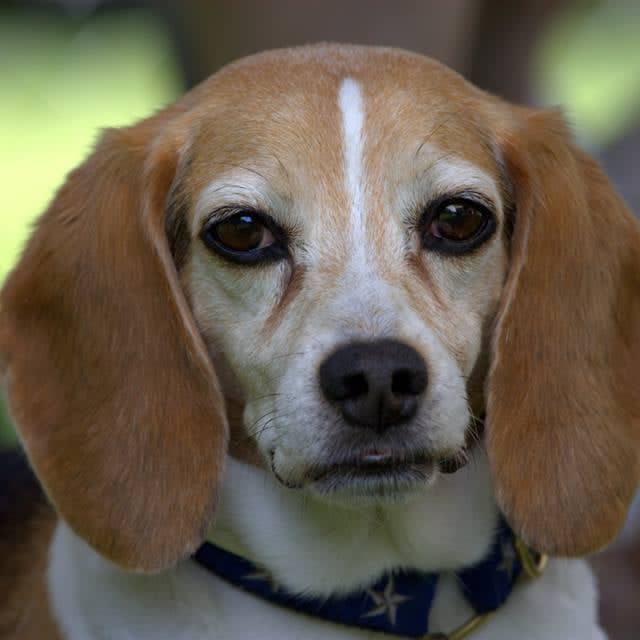
Great news! Ridglan Farms, a laboratory beagle breeding facility in Dane County, Wisconsin, has reached an agreement to release 1500 beagles to animal welfare organizations for rehabilitation and adoption. Since these dogs were specifically bred for scientific research they have never lived in a home environment. They have probably never experienced day to day activities that our family pets are accustomed to and the potential is high that they will be under-socialized high flight risk dogs.
How can rescues and shelters prevent high flight risk dogs from escaping from new adopters, foster homes and even their own facilities? And how can they correctly react when a dog does go missing?
These next few articles will focus on this, starting on how a shelter or rescue can prepare their staff, foster homes, and new adopters for high flight risk dogs.
1. Microchip every dog as soon as it becomes available for adoption, and ENROLL the microchip to the new owner. Some microchip companies do this for free, others have a charge. Offset the cost by adding the enrollment charge (if there is one) into the adoption fee. Simply sending the dog out the door with the paperwork is not enough. Most people have good intentions but may lose the dog before they get the microchip paperwork sent in. They may have just plunked down several hundred dollars for an adoption fee and supplies. The microchip paperwork may get set aside until the next payday and by then it might be too late.
2. Put visible identification on every foster or newly adopted dog before it leaves. ASPCA research shows that 89% of newly adopted pets were still wearing the tags a shelter or rescue put on them six weeks after adoption.
3. Use a martingale collar on every dog. These are great for the shy dog that has learned to back out of a standard collar. Also, consider using an escape-proof harness along with a martingale collar (either by using two leads or clip the lead to both O rings) for those that are extremely high risk. Put an ID tag on the harness as well as the collar.
4. Use a sturdy, traditional leash and keep both hands on the leash. Never use a retractable leash on a newly adopted or foster dog. Cords can burn you (or your dog) and if dropped are unsafe for the dog to drag.
4. Educate your foster homes and new adopters on the challenges of high flight risk dogs. Remember, for many adopters this may be the first time they have owned a shy dog. Put together a packet of information for them to include in their adoption paperwork. Here are some more tips from Lost Dogs Illinois that you can pass on to your foster homes and adopters:
- Do not allow children to walk the dog. Children should not only be old enough to understand the safety precautions, but also physically strong enough to handle the dog if he/she attempts to bolt.
- Teach your dog the “WAIT” command. This will help prevent your dog from bolting out of doors and gates.
- For extra security put gates or storm doors on exterior doors, preventing a dog from bolting. don’t forget the door that leads to the garage. If gates aren’t an option, consider using an exercise pen to block escapes and provide an added layer of protection.
- If you have a fenced-in yard, check it on a routine basis to make sure that it is secure. Check for digging or storm damage along the fence line regularly. Invisible fencing is not recommended. Lock your gates with a padlock to keep people from gaining access to your yard.
- Never leave a dog outside on a run alone. Dogs can become tangled, are vulnerable to other animals, and have no ability to defend themselves.
- In the car use a crate or a dog safety harness in the back seat. Dogs allowed free run of the car are at risk after an accident if they escape. First responders are there to treat you, not your pet. Dogs should be in safety harnesses in the back seat to prevent them from being injured or killed if an airbag deploys.
- Make sure your vet, groomer and kennel are safe places! Always ask what safeguards they have in place. Don’t be shy! The safety of your pet depends on it! Look for a business that has a secure fenced area for walking dogs. Let the staff know that you require the use of a leash/collar/harness system that you have established for your dog. Make sure they know not to use a slip lead.
- Shy dogs may run or hide when scared. For safety, keep a short lead on them indoors to quickly secure them. If your yard is fenced, use a long (15 ft) lead outside for quick access. Always supervise dogs wearing a lead.
- GPS collars may enhance safety and peace of mind but you must consider potential reliability issues (battery life, cell signal) when deciding if it is suitable for your dog.
If your dog does escape immediately file a report with PetFBI.org who will send your listing to our appropriate state page. Then read through our Shy Lost Dog Strategies blog posts for guidance on our to find your missing dog. Remember that you’ve made a commitment to provide a better life for your beagle. Don’t let him/her down now!
https://lostdogsofamerica.org/categories/recovery-procedures/shy-dog-strategies/